What is Montessori?


The basic principle of the Montessori philosophy of education is that all children carry within themselves the person they will become. In order for children to fully develop physically, intellectually and spiritually, they must be allowed the freedom to explore and manipulate their surrounding environments. This freedom and continuous manipulation is achieved perfectly, within our controlled classroom environment, through our specifically designed materials.

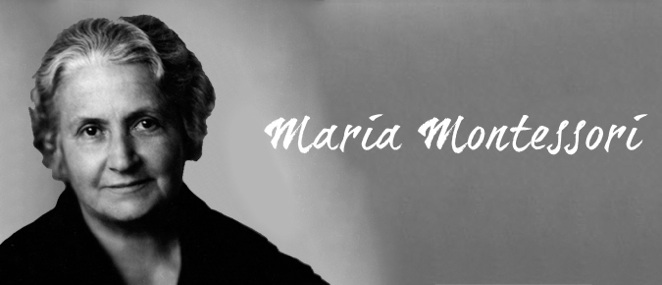
Dr Maria Montessori (the founder of the Montessori education) developed a program that helps each child reach their fullest potential, in all areas of life. 
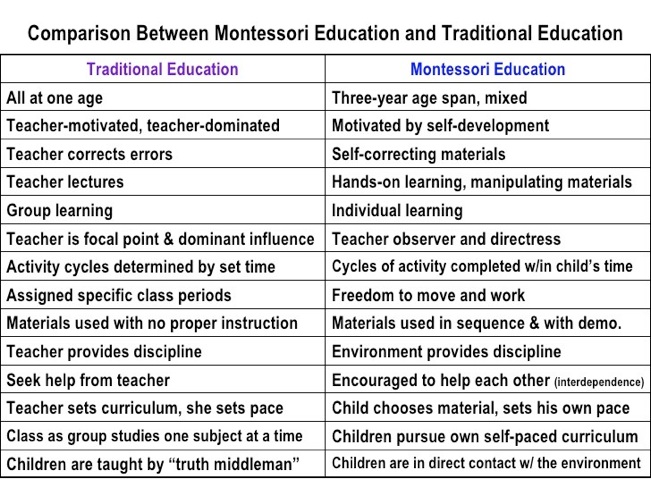
Maria Montessori discovered that through a secure, loving, joyful and well maintained environment a child will learn, grow and become independent whilst at play (work).
We strive to educate and direct (thus being the reason we are referred to as Directresses) each child to acquire patience (as there is only one of each presentation), self-esteem (their own intelligence), and a positive attitude towards learning.  

Our environments are stimulating, didactic (as each material has a “control of error” in which a child corrects themselves independently) and non-pressurized.
The Directress prepares the “child size” environment on a daily basis, offers individual teaching, observes each child’s progression, notes which area of work a child has been drawn to and directs him/her to materials which will quench the thirst of the child’s inquisitive body and mind, as well as offer inspiration when needed; but it is always the child who is motivated and has the desire to learn through his/her surroundings.
All activities help develop an 'inner self discipline' which is the core concept of the Montessori philosophy.

AREAS IN THE MONTESSORI CLASSROOM

PRACTICAL LIFE: Enabling the child to become independent, equipping him/her with day to day life skills as well as developing them indirectly for our other areas of the Montessori Classroom.
SENSORIAL: Stimulating and allowing the child to explore through their senses
LANGUAGE: Giving the child the opportunity to expand their vocabulary and reading skills.
MATHEMATICS: Allowing the child to carefully manipulate graded equipment, that gives them a concrete understanding of the number concept.
CULTURAL:  Here the child is able to work with a diversity of equipment from different areas, namely: Botany, Zoology, Geography, Science, History, Art and Music.

All about Montessori ...